

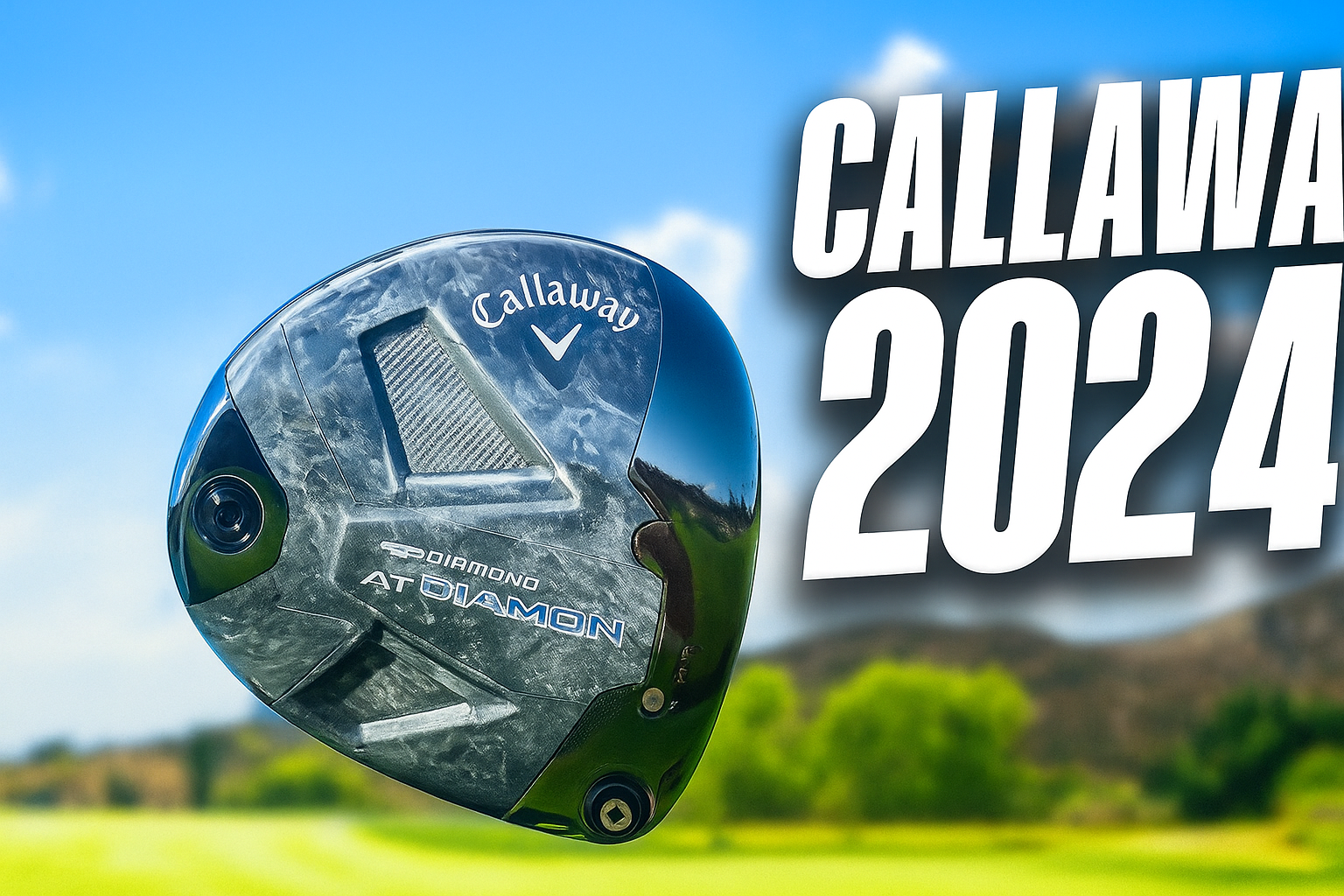
The Best callaway driver: A Must-Have for Every Golfer
The latest callaway driver family is ideal for amateur and weekend golfers looking to enhance their game with increased forgiveness and improved speed. With cutting-edge technology and design, these drivers cater to various skill levels, ensuring that you can find the right fit.
Overview
This review focuses on the latest callaway driver range, which encompasses multiple models aimed at various golfer profiles. Designed for mid to high handicappers, these drivers prioritize forgiveness, speed, and easy launch, making them exceptionally user-friendly on the course.
Key Technologies & Design
-
- Utilizing advanced face technology, including AI-driven design, the drivers maximize ball speed across a larger area, enhancing forgiveness on mis-hits.
-
- Head shaping often features aerodynamic designs to reduce drag and improve swing speed, with general adjustability to cater to individual preferences in loft and face angle.
-
- Regular golfers can expect a satisfying sound and feel at impact, promoting confidence with each swing.
Model Year Context: 2023 vs 2024 vs 2025
2023 callaway driver
The 2023 generation of callaway Drivers focuses on creating a forgiving and speedy experience for users. Designed for game improvement, these models are well-suited for golfers seeking more distance with stability and consistent launch conditions.
2024 callaway driver
In the 2024 lineup, callaway continues to refine its AI face technology, enhancing stability across off-centered strikes. The aim is to provide golfers with better launch and increased forgiveness, catering well to a wide range of skill levels.
2025 callaway driver
While specifics for the 2025 callaway driver lineup aren’t fully established yet, you can expect incremental improvements, such as refined face mapping, MOI tuning for better stability, and enhanced spin management to accommodate evolving golfer preferences.
Performance for Regular Golfers
-
- In terms of launch and forgiveness, most mid-to-high handicappers will find that these drivers provide a high launch angle and reduced side spin, helping to achieve straighter shots.
-
- Regular golfers can anticipate decent ball speed retention on off-center hits, which means you’ll still gain distance even on less-than-perfect swings.
-
- Adjustability allows players to shape their shots with relative ease, making it a suitable option for those looking to work on different shot techniques.
Who Should Consider This callaway driver
-
- High handicap: Prioritize max forgiveness and easy launch to level up your game.
-
- Mid handicap: Expect a balanced mix of speed and forgiveness with manageable spin rates.
-
- Lower handicap: Benefit from the capability for face control and shot workability, especially with lower-spin configurations.
Range Test Checklist
-
- Begin with a warm-up, then make 5–7 swings at your regular pace.
-
- Observe your strike pattern and consider making adjustments to your tee height or ball position.
-
- Focus on dispersion patterns rather than just one standout drive for an accurate assessment.
-
- If possible, compare the standard shaft against an alternative shaft profile to gauge the best fit.
Pros & Cons
-
- Pros: Enhanced forgiveness and speed, inspiring confidence at address, user-friendly adjustability.
-
- Cons: Some golfers may have preferences for sound and feel, while spin and launch characteristics may need professional fitting for optimal results.
Light “Spec” Snapshot (Non-numerical)
-
- Head shapes vary from game-improvement to more neutral/workable profiles.
-
- Adjustability options regularly include loft and face orientation settings for personalized performance.
-
- Shaft options cater to various launch tendencies, from mid/high launch to mid/low options.
Final Verdict
The callaway driver family broadly appeals to golfers seeking improvements in launch and forgiveness. Take the time to test different adjustments during a fitting to find the perfect match for your game, and you’ll likely see significant benefits on the course.