

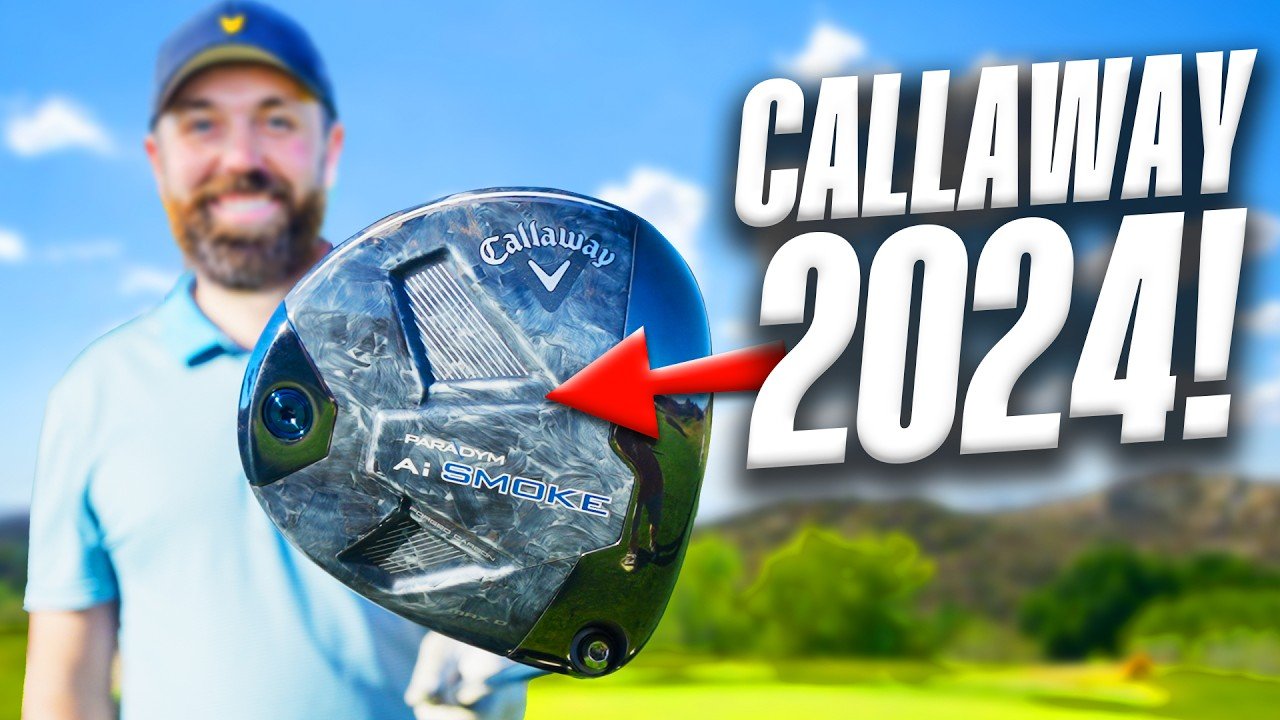
Ultimate Guide to the callaway driver: Find Your Perfect Fit
The callaway driver lineup is geared towards amateur and weekend golfers looking to enhance their distance and accuracy off the tee. With advanced technology and various design options, there’s a model to suit golfers of all skill levels.
Overview
This review focuses on the latest callaway driver family, which caters to a wide range of golfers seeking forgiveness, speed, and an easy launch. Whether you’re a high-handicapper needing maximum forgiveness or a skilled player looking for workability, the callaway Drivers deliver a blend of performance and technology to enhance your game.
Key Technologies & Design
-
- **Head Shaping and Adjustability:** The drivers feature a variety of head shapes designed to promote maximum forgiveness and accuracy, while adjustable loft and face positions allow golfers to customize their settings for optimal performance.
-
- **Sound and Feel:** Regular golfers can expect a satisfying sound at impact, along with a solid feel that instills confidence, contributing to an enhanced experience during play.
Model Year Context: 2023 vs 2024 vs 2025
2023 callaway driver
The 2023 generation focused on providing a blend of forgiveness and speed ideal for mid to high handicappers. With designs promoting an easy launch, it was tailored for golfers looking to gain additional distance while maintaining control.
2024 callaway driver
The 2024 callaway driver lineup incorporated refinements to the AI face technology, enhancing stability and optimizing launch conditions. It concentrated on increasing forgiveness and maximizing distance, continuing to support a variety of skill levels.
2025 callaway driver
As we look toward the 2025 callaway driver lineup, golfers can anticipate iterative enhancements focused on face mapping refinements, moment of inertia (MOI) tuning, and improved spin management. These advancements aim to maintain the brand’s reputation for innovation and performance.
Performance for Regular Golfers
-
- **Ball Speed Retention:** Regular golfers will benefit from improved ball speed retention even on off-center strikes, allowing for a more consistent performance throughout their rounds.
-
- **Shot Shape Tendencies:** The adjustability of the drivers allows golfers to fine-tune their shot shapes, catering to their personal preferences and shot patterns.
Who Should Consider This callaway driver
-
- **Mid Handicap:** Players looking for a balance of speed and forgiveness, with manageable spin rates, will find several suitable models in the callaway range.
-
- **Lower Handicap:** For those who prioritize workability and control over their shots, lower-spin heads within the lineup will be appealing.
Range Test Checklist
-
- Warm up with practice swings before taking 5–7 swings at your normal speed to get a feel for the driver.
-
- Pay attention to your strike pattern and adjust your tee height or ball position accordingly to optimize performance.
-
- Focus on dispersion rather than hitting one “hero” drive to gauge overall consistency.
-
- If possible, compare the performance of the stock shaft against alternative shaft profiles to find the best fit for your game.
Pros & Cons
-
- Pros: Excellent forgiveness and speed, confidence-inspiring address, simple adjustability for personalized tweaking.
-
- Cons: Some golfers may find preferences for sound or feel vary, and spin/launch characteristics may require fitting to dial in perfectly.
Light “Spec” Snapshot (Non-numerical)
-
- **Head Shapes:** From game-improvement designs to more neutral or workable profiles suited for varied skill levels.
-
- **Adjustability:** Typically includes options for loft adjustment and face orientation to cater to individual golfer needs.
-
- **Shaft Feel Options:** Choices range from mid/high launch to mid/low launch tendencies, depending on golfer preferences.
Final Verdict
The callaway driver lineup is best for golfers looking to enhance their game through advanced technology and thoughtful design. Regular golfers should prioritize getting fitted, paying special attention to the performance variables that suit their swing characteristics, such as loft and shaft types.